
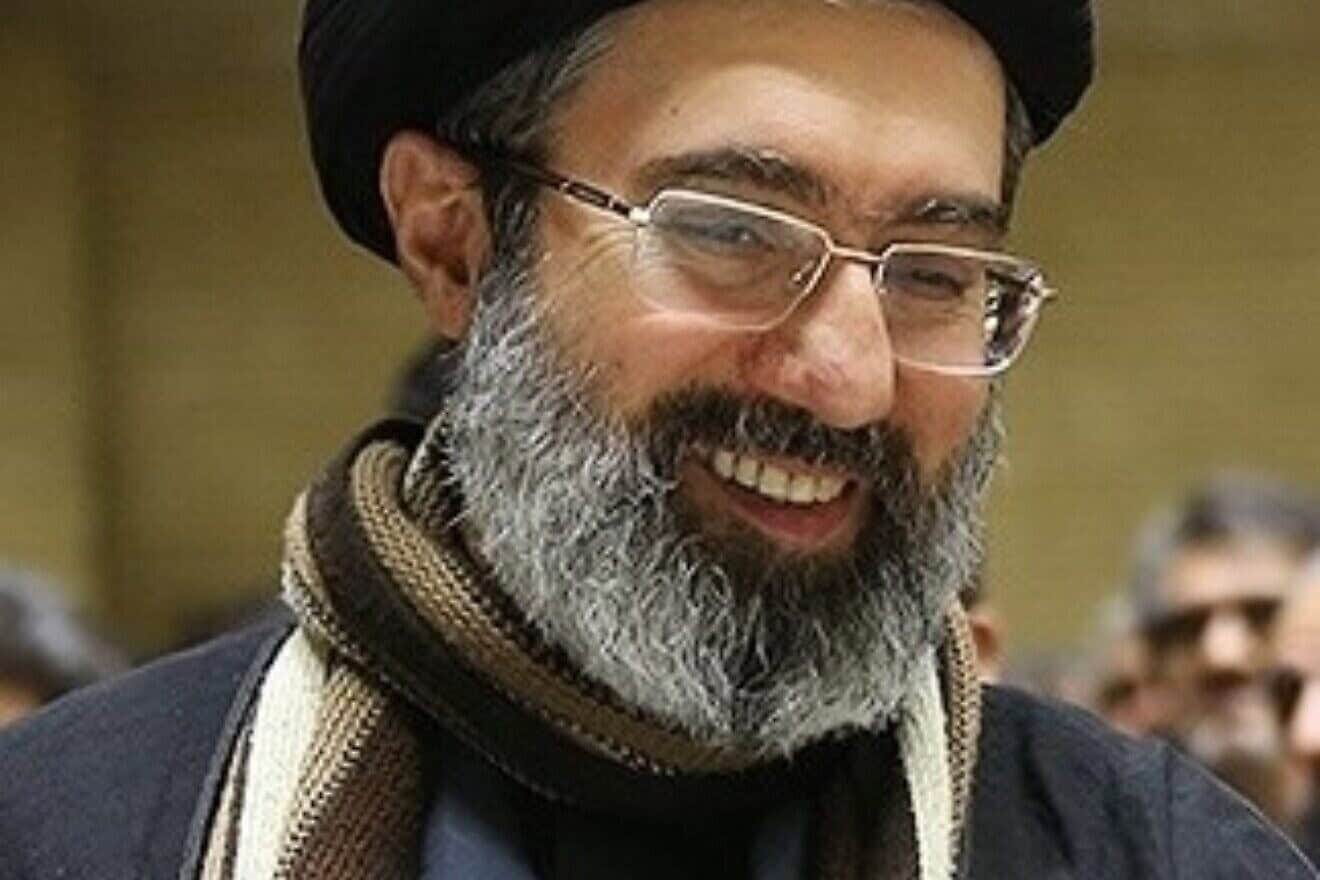
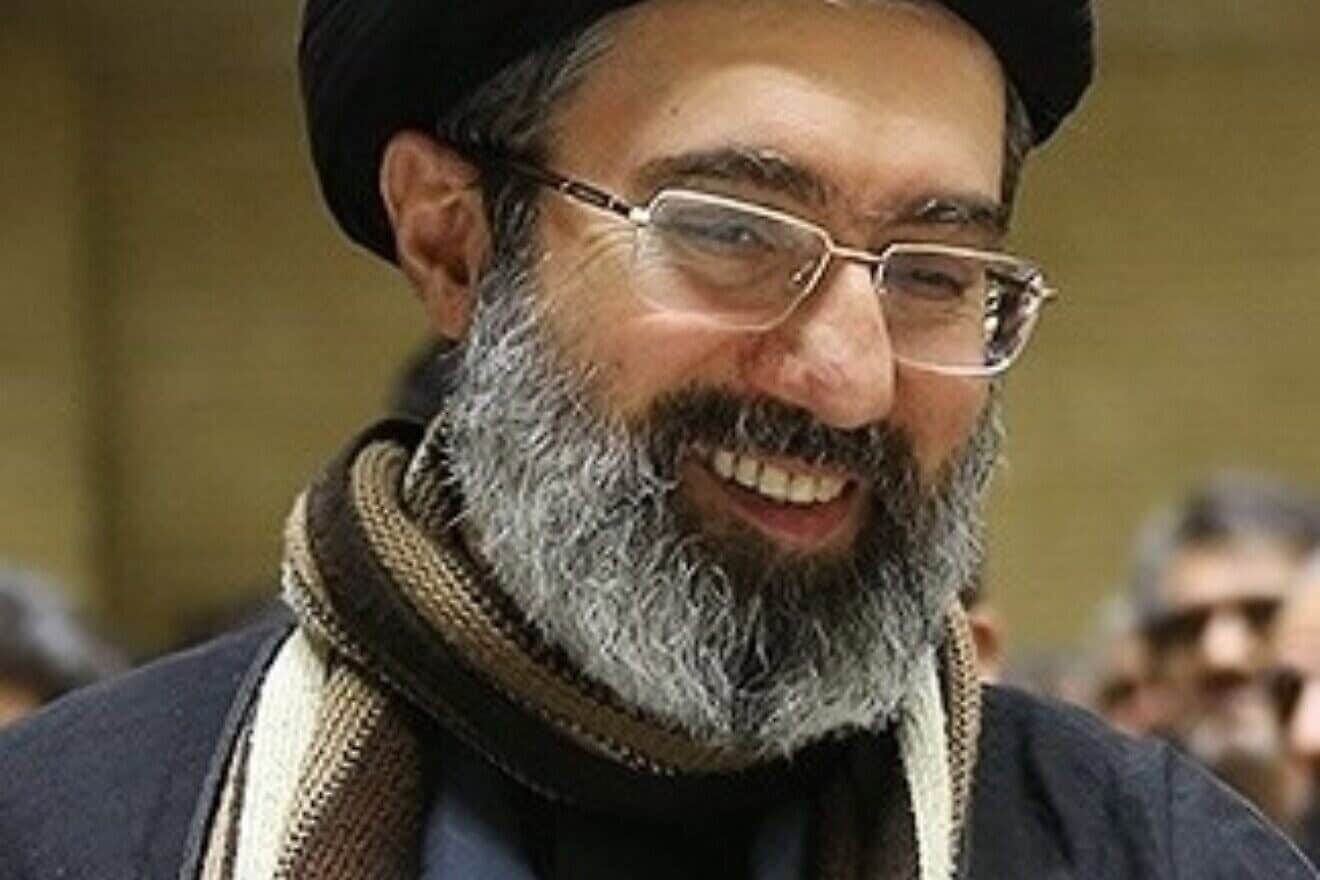
Mojtaba Khamenei in 2019. Credit: Tasnim News Agency via Wikimedia Commons.
by Yoni Ben Menachem
(Jerusalem Center for Security and Foreign Affairs) — The Islamic Revolutionary Guard Corps in Iran scored a significant political victory, successfully securing the appointment of their ally, Mojtaba Khamenei, as the new supreme leader of Iran. This followed the elimination of his father, Ali Khamenei, by Israel on Feb. 28, the first day of the war.
This development underscored once again that the IRGC continues to wield decisive influence over the country’s political system.
On March 8, the Iranian Assembly of Experts officially announced that Mojtaba had been chosen as Iran’s third Supreme Leader since the founding of the Islamic Republic.
Footage emerging from Iran showed citizens shouting, “Death to Mojtaba.”
According to senior Israeli security sources, Mojtaba reportedly survived an Israeli assassination attempt in recent days. He received the endorsement of Iranian President Masoud Pezeshkian, who stated that his selection as Supreme Leader reflects “Iran’s desire to strengthen national unity.”
Senior Israeli officials have noted that the move was expected and that the appointment of Mojtaba represents a direct challenge to the United States and Israel, describing it as “a finger in the eye.”
They assess that his selection presents an immediate political and security challenge for Washington and Jerusalem, both of which aim to dismantle the clerical regime.
In Iran, Mojtaba is considered significantly more hardline than his father.
Western analysts had assumed that the removal of Ali Khamenei might spark a succession struggle, potentially weakening the regime or producing a compromise candidate. In reality, the appointment of Mojtaba signals the opposite—near-complete ideological continuity with the principles established since the Islamic Revolution.
His selection indicates that the regime’s key power centers, led by the IRGC, preferred a candidate closely aligned with Iran’s security apparatus and its regional “resistance” doctrine.
For the Iranian leadership, the appointment of the previous leader’s son sends a dual message: the regime has not been broken by the elimination of his father and can maintain political continuity even under conditions of war and international pressure.
Senior Israeli security officials assess that Mojtaba is now the top potential target for assassination, given recent statements by Prime Minister Benjamin Netanyahu and Defense Minister Israel Katz.
They argue that such a move could be necessary to dismantle the Iranian regime, even if it triggers unprecedented escalation, since another attack on a supreme leader would be perceived in Iran as a direct strike at the heart of the regime and a symbolic assault on its religious and political sovereignty.
Conversely, if Israel refrains from acting, it risks being perceived as weak and deterred by the IRGC. Strategically, Mojtaba now embodies the central axis of the Iranian regime, both as an ideological symbol and as the ultimate holder of political and religious authority.
Going forward, Mojtaba will become a primary intelligence target for Israel and the United States, with any operational decisions against him to be coordinated between Netanyahu and Trump.
Israeli security sources also note that his appointment is likely to strengthen the connection between the office of the supreme leader and the military establishment, particularly the IRGC.
Over the years, Mojtaba has been considered the individual most closely linked to the IRGC’s commanders and internal power networks. This suggests that decision-making in Tehran may become more centralized and heavily weighted toward security considerations, especially at a time when Iran is in direct military confrontation with Israel and the United States.
In Tehran, officials are expected to use the American and Israeli statements to present Mojtaba’s appointment as a victory for “Iranian sovereignty.” Propaganda-wise, the regime’s ability to select a new leader despite external threats reinforces the narrative of standing firm under international pressure.
Ultimately, the selection of Mojtaba signals that, despite the severe blow to the top of the regime, Iran’s political system has rapidly ensured continuity of governance, and the battle over the future of the Iranian regime is far from over.
Yoni Ben Menachem, a veteran Arab affairs and diplomatic commentator for Israel Radio and Television, is a senior Middle East analyst for the Jerusalem Center. He served as director general and chief editor of the Israel Broadcasting Authority. Previously published by the Jerusalem Center for Security and Foreign Affairs.

Author: Contributor
For more details on this author's background and expertise, please refer to the content within the article itself. The views and opinions expressed in this piece are those of the author and do not necessarily reflect the official policy or position of geula.news or its affiliates.