
By Rabbi Josh Wander
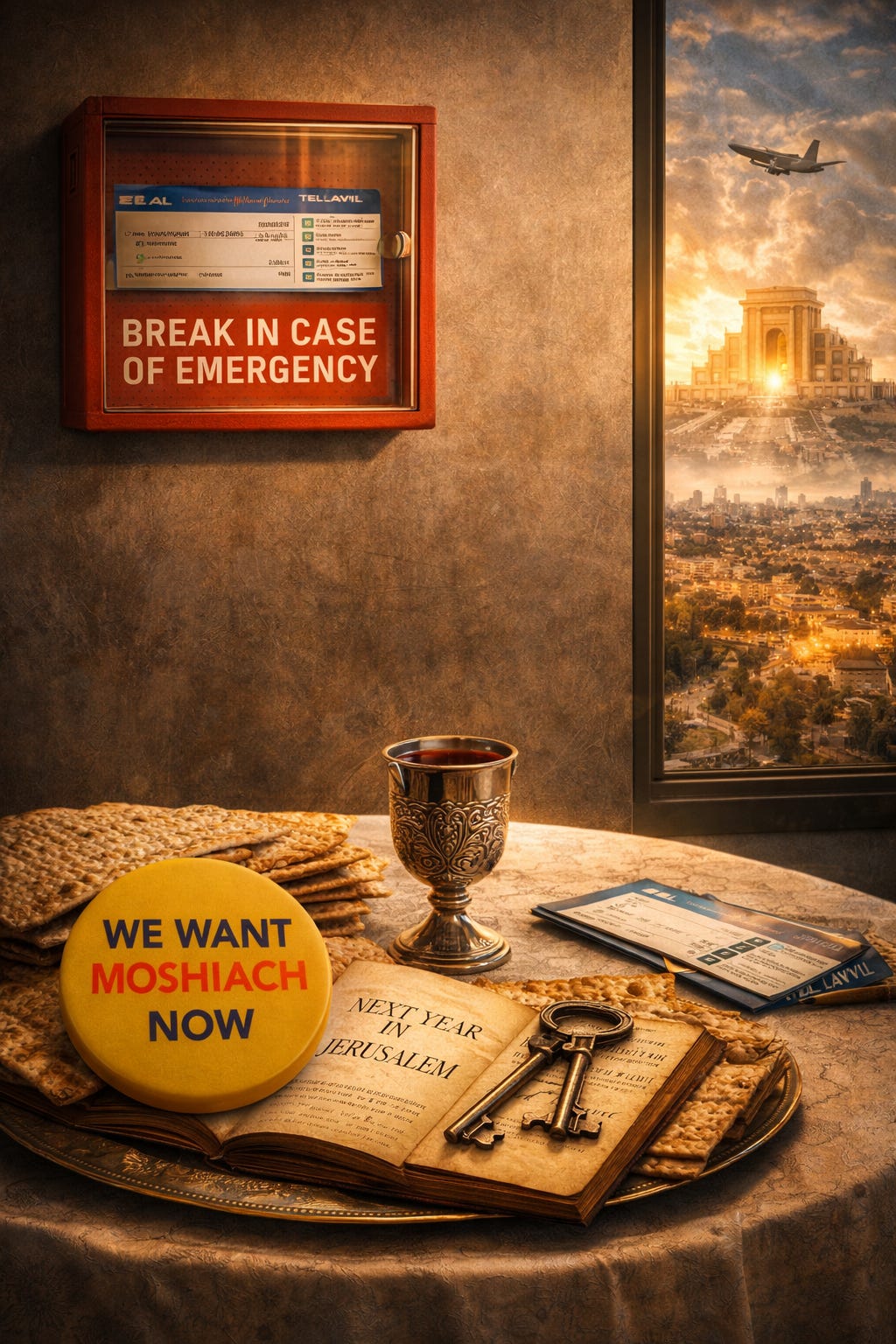
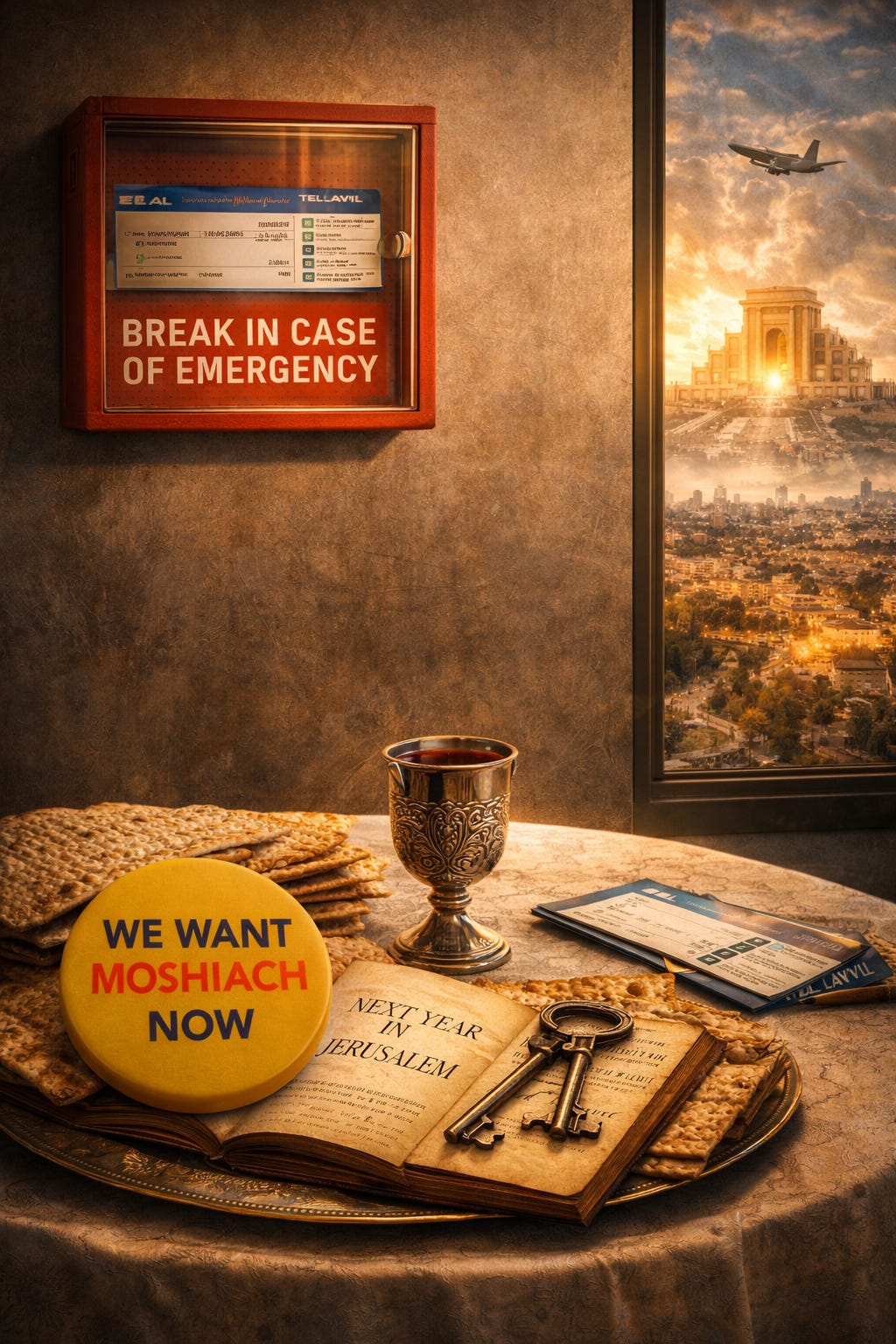
For decades a slogan has echoed through Jewish schools, summer camps, rallies, and farbrengens: “We Want Moshiach Now.” It is catchy, emotional, and powerful. It stirs longing and creates urgency. But somewhere along the way, many people began confusing the slogan with the mission itself. The idea slowly took hold that if we shout the words loudly enough, redemption will somehow appear.
That was never the Jewish understanding of Geula. The coming of Moshiach is not a chant, and it is certainly not a camp color-war rally where the loudest team wins. It is the culmination of a profound historical and spiritual process. The Torah, the prophets, and our sages describe redemption as something that unfolds through the transformation of the Jewish people and the world around them. It demands responsibility, courage, and serious introspection. Most of all, it requires genuine teshuva.
The Rambam does not write that Moshiach arrives when enough people sing about him. Instead, he describes a world being prepared for redemption. The Jewish people return to their land. Torah once again becomes the guiding framework of society. Justice and truth begin reshaping civilization. A nation reconnects with its mission. That kind of transformation does not happen through slogans. It happens through effort, commitment, and action.
Redemption has never been magic. Throughout Jewish history every step toward Geula required sacrifice and work. The Exodus from Egypt did not happen because the Israelites gathered to chant about freedom. They had to leave everything behind and step into an uncertain desert. The return from Babylon required Jews to abandon comfortable lives in exile and rebuild Jerusalem with their own hands. When Nechemiah rebuilt the walls of the city, he did not lead rallies shouting slogans. He organized workers, assigned tasks, and stationed guards with swords while the rebuilding took place.
Redemption has always required sweat. Our generation often confuses inspiration with transformation. It feels uplifting to sing about redemption and to speak about it passionately. But teshuva demands something deeper. It requires confronting uncomfortable truths about ourselves and our priorities. It forces us to ask whether our lives truly reflect the redemption we claim to long for, or whether we have quietly grown comfortable with exile in its many forms. Teshuva means change.
And yet when we zoom out from the daily headlines, something remarkable becomes clear. The process of Geula is already unfolding before our eyes. The events of the past few years alone have moved the Jewish people—and the world—dramatically closer to their ultimate destination. Wars have reshaped the Middle East. Jewish sovereignty in the Land of Israel has become a central factor in global politics. Ancient questions about identity, nationhood, and even the Temple Mount have re-emerged into public conversation. These are not isolated developments. They are pieces of a much larger historical movement. History is moving.
Our sages taught that redemption can arrive in two ways: בעיתה, in its time, unfolding through the natural course of events and often accompanied by difficulty, or אחישינה, accelerated when the Jewish people are spiritually prepared and aligned with the process. The destination remains the same, but the road can look very different. The more prepared we are, the smoother the journey becomes. When a nation understands its purpose and embraces its mission, redemption unfolds with clarity and blessing. But when we resist that process, history often forces us forward through crisis and upheaval until we recognize where we are meant to go.
And in our time, history has been sending another signal that is difficult to ignore. Again and again in recent years, the skies over Israel have opened and closed. During COVID the gates of the country suddenly shut. Jews around the world who assumed Israel was always just a flight away discovered overnight that the connection could be severed. Then the skies reopened. Then war erupted and the same reality returned: flights halted, routes restricted, uncertainty spreading once again. And eventually, as always, the skies opened again and life resumed as if nothing had happened. But something very significant has happened.
For nearly two thousand years Jews prayed three times a day to return to Zion. Today, for the first time in history, the gates are open. A Jew in New York, Paris, or Melbourne can board a plane and be standing in Jerusalem within hours. From a historical perspective this is astonishing. For most of Jewish history, aliyah required caravans, ships, danger, poverty, and enormous sacrifice. Today it requires booking a seat on a commercial airline. And yet even that doorway has shown itself to be fragile.
Every time the skies close, millions of Jews suddenly discover that the assumption of easy access was an illusion. The convenience of simply “hopping on an El Al flight” is not guaranteed forever. Jewish history repeatedly shows that the gates of the Land can open for a time and then close in ways no one expects.
The Jews of Babylon had the opportunity to return with Ezra and Nechemiah, yet the majority chose to remain in comfortable exile. The Jews of Spain believed their golden age would last forever—until it ended abruptly. The Jews of Europe thought their societies were stable until the gates closed with terrifying speed.
Every generation assumes its exile is permanent until history proves otherwise. The repeated opening and closing of the skies over Israel in recent years feels less like coincidence and more like a signal. A reminder that the gates are open now—but gates, by definition, can close.
For decades many Jews in the diaspora have assumed that Israel will always be there waiting, that aliyah can be postponed indefinitely, that there will always be time later to return. Yet the events of recent years have demonstrated how quickly global circumstances can change and how fragile those assumptions really are.
And perhaps the most uncomfortable question of all must finally be asked. For how many more years will Jews living in the lap of luxury in exile continue reciting “Next year in Jerusalem” at the Seder while having no real intention of ever going? Year after year the words leave our lips with ritual precision, yet our lives remain carefully built around remaining exactly where we are. At what point do we pause and ask whether the declaration has become little more than tradition—an ancient aspiration reduced to ceremonial lip service?
The irony is difficult to ignore. For two thousand years Jews prayed to return to Zion but had no practical way to do so. Today the gates of the Land are open in a way unimaginable to previous generations, and yet many who pray for Jerusalem every day feel no urgency to actually live there. One wonders whether the contradiction has simply become invisible to those who repeat the words.
History suggests that moments like this do not last forever. Windows open, opportunities appear, and then—often suddenly—they close. The question facing our generation is painfully simple: will we recognize the moment while the gates are still open, or will future historians look back and wonder how a generation that prayed for redemption every day somehow managed to miss it when it was unfolding before their eyes?
Shouting “We Want Moshiach Now” may stir emotion. But Geula is not a slogan, and it is certainly not a game. It is the unfolding transformation of history—and it is already well underway.

Author: Joshua Wander
The Geula Movement inspires and mobilizes Am Yisrael to actively advance redemption through Torah, unity, and action—restoring Jewish sovereignty, rebuilding the Beit HaMikdash, and shining light from Zion to the nations. https://geulamovement.substack.com/